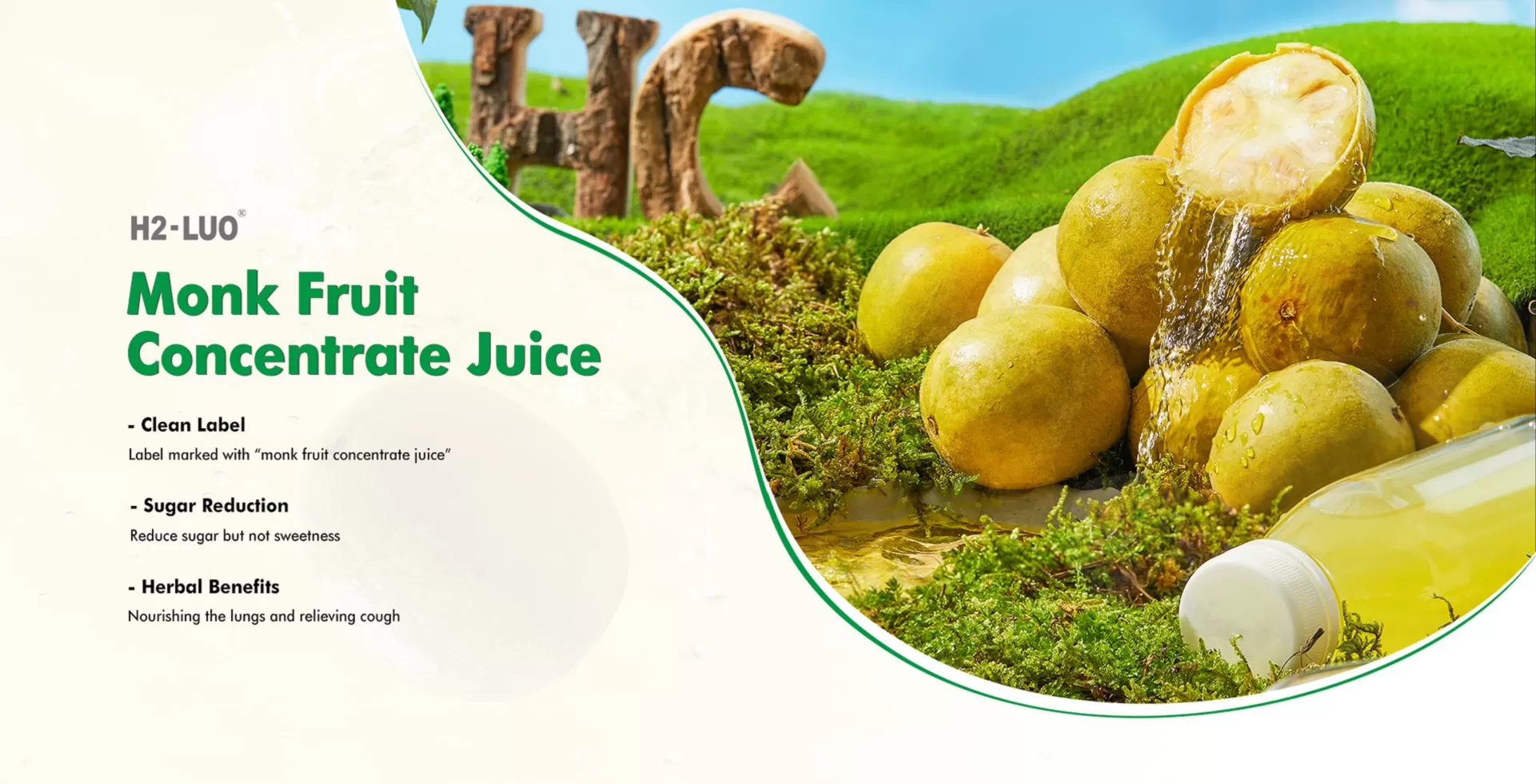
Monk Fruit Concentrated Juice has gained attention in recent years for its numerous health benefits. Dr. Emily Chen, a nutritionist specializing in natural sweeteners, once stated, "Monk Fruit offers a unique blend of flavor and health benefits." Her expertise highlights the significant advantages of this natural sweetener.
Many health-conscious consumers are turning toward Monk Fruit Concentrated Juice. It serves as a great alternative to refined sugars, particularly for those managing blood sugar levels. This juice is not only low in calories but also contains antioxidants that can improve overall health. Individuals looking for a healthier lifestyle can benefit from incorporating this juice into their diets.
However, it’s essential to approach new products with caution. While Monk Fruit Concentrated Juice is generally safe, some people may experience sensitivities. Everyone's body reacts differently, making awareness crucial. Furthermore, the flavor profile may not appeal to all, prompting a few to explore various alternatives. Always consult a healthcare provider before making significant dietary changes.
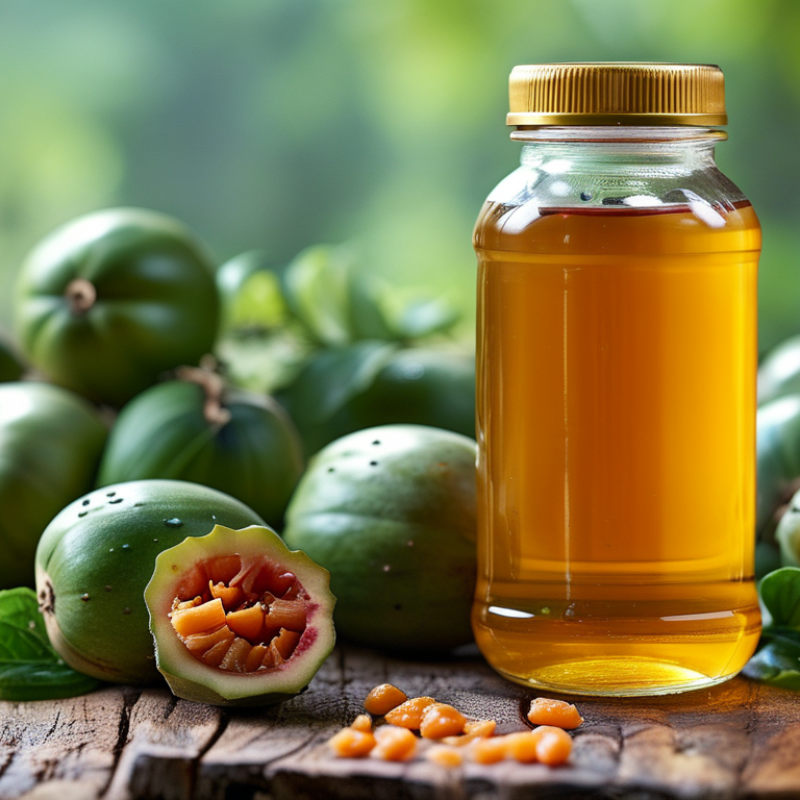
Top Health Benefits of Monk Fruit Concentrated Juice: A Nutritional Overview
Monk fruit concentrated juice is gaining traction due to its impressive health benefits. This natural sweetener is extracted from monk fruit, a small melon native to southern China. Unlike artificial sweeteners, monk fruit juice has zero calories and a low glycemic index. It is safe for diabetics and those watching their sugar intake.
This juice is rich in antioxidants, specifically mogrosides. These compounds help combat oxidative stress and may reduce inflammation. Regular consumption could support overall health. Additionally, monk fruit concentrates may enhance digestion. Some people find it easier on their stomachs than traditional sweeteners.
Despite its advantages, not everyone enjoys monk fruit's distinct taste. The sweetness can be quite intense, sometimes leading to overuse in recipes. It's essential to start with small amounts and adjust according to personal preference. As with any food product, individual reactions may vary, highlighting the importance of mindful consumption.
Monk Fruit Concentrated Juice vs. Traditional Sweeteners: A Comparative Analysis
Monk fruit concentrated juice offers a unique alternative to traditional sweeteners. Unlike table sugar, it contains natural compounds that provide sweetness without added calories. This makes it an appealing option for those monitoring their weight and sugar intake. The benefits extend further; it also has antioxidant properties. These elements contribute to improved health outcomes when used in moderation.
When comparing monk fruit juice to traditional sweeteners, the differences become evident. Traditional sugars can cause spikes in blood glucose levels. In contrast, monk fruit juice does not affect blood sugar in the same way. For diabetic individuals, this can be a crucial factor in their dietary choices. However, some people may find the taste slightly different, potentially requiring an adjustment period. Exploring this new option could lead to surprising results.
While monk fruit concentrated juice shows promise, it's essential to consider potential side effects. Some consumers experience digestive discomfort when consuming large quantities. Moderation is key, and listening to your body is vital. Overall, exploring monk fruit as a sweetener can provide benefits, but awareness of individual responses is important. This path requires mindful experimentation.
Impact of Monk Fruit Juice on Blood Sugar Levels: Insights from Recent Studies
Monk fruit juice has gained attention for its potential benefits, particularly in relation to blood sugar levels. Recent studies indicate that monk fruit concentrate can help maintain healthy glucose levels. A 2021 review published in the journal Nutrition revealed that low-calorie sweeteners, including monk fruit, have little to no effect on blood glucose. This is crucial for individuals managing diabetes or those who are insulin resistant.
Dietary fibers and antioxidants present in monk fruit juice may also play a role in metabolic support. Research from the Journal of Food Science suggests that the antioxidants in monk fruit can reduce oxidative stress, which is linked to chronic diseases, including metabolic disorders. While monk fruit juice shows promise, individual responses can vary. It is essential to monitor how your body reacts, since everyone's metabolism is different.
Tips:
When incorporating monk fruit juice into your diet, start with small amounts. This allows you to gauge its effects on your blood sugar levels. Pair it with meals rich in protein and fiber to further stabilize glucose levels. If you experience unusual reactions, consider reducing the intake or consulting with a healthcare professional.
High Antioxidant Content in Monk Fruit Juice: Benefits for Overall Wellness
Monk fruit juice is rich in antioxidants, making it a valuable addition to your wellness routine. Antioxidants combat free radicals in the body. This action helps reduce oxidative stress. As a result, your immune system may function better. Many people notice improvements in their energy levels after including monk fruit juice in their diet.
Tips: Start with a small serving size when incorporating monk fruit juice. Monitor how your body responds before increasing the amount. This cautious approach allows you to assess any effects on your digestion and energy.
Moreover, monk fruit juice has potential anti-inflammatory properties. This can aid recovery after workouts and improve joint health. Some users report reduced discomfort in their daily activities. It’s essential to listen to your body and adjust accordingly. Experimenting with different amounts might lead to discovering what works best for you.
Tips: Consider using monk fruit juice in smoothies or teas. This makes it a versatile option for enhancing daily nutrition. However, be mindful of how it interacts with other ingredients. This can influence overall taste and effects on your body.
Top 10 Benefits of Monk Fruit Concentrated Juice
Environmental Sustainability of Monk Fruit Cultivation: An Industry Perspective
Monk fruit cultivation has gained traction due to its potential for environmental sustainability. Studies show that monk fruit requires significantly less water compared to traditional sugar crops. According to a 2022 report from the Sustainable Agriculture Research Journal, monk fruit uses up to 80% less water than cane sugar. This reduction benefits regions facing water scarcity, making monk fruit farming a more viable option.
Moreover, monk fruit is often grown without pesticides. A 2023 analysis by the Organic Farming Institute found that around 70% of monk fruit farms employ organic practices. This organic focus helps protect local ecosystems and promotes biodiversity. However, a challenge remains in ensuring that all growers maintain these sustainable practices consistently.
The carbon footprint of monk fruit is lower than that of other sweetener sources as well. Research indicates that land usage for monk fruit cultivation is about 50% less than for sugar beet production. While the industry shows promise, ongoing scrutiny and improvements in farming techniques are necessary. Commitment to sustainability can lead to a positive impact, but it must be carefully managed.
Conclusion
Monk Fruit Concentrated Juice is gaining popularity among health-conscious consumers for its numerous benefits. This natural sweetener offers a low-calorie alternative to traditional sweeteners, making it an attractive option for those managing their weight or blood sugar levels. Recent studies indicate that Monk Fruit Concentrated Juice has a minimal impact on blood sugar, positioning it as a suitable choice for diabetics and individuals seeking to regulate their glucose levels.
Additionally, the high antioxidant content found in Monk Fruit Concentrated Juice contributes to overall wellness by combating oxidative stress in the body. Not only does it provide health benefits, but the cultivation of monk fruit is also recognized for its environmental sustainability, aligning with a growing consumer preference for eco-friendly products. Overall, incorporating Monk Fruit Concentrated Juice into one's diet can offer a delicious and health-friendly alternative to conventional sweeteners while supporting both personal health and the environment.