
News & Knowledge
WISC Biotech Blog & Insights
Latest Industry Trends & Natural Sweetener Innovations
Blog

How to Choose Bakery Sugar Reduction Ingredients?
Reducing sugar in bakery products is no longer a simple recipe adjustment. Consumers want softer cakes, crisp biscuits, and familiar sweetness with fewer added sugars. The challenge is maintaining these qualities after removing sucrose. Bakery Sugar Reduction Ingredients must replace more than sweetness. They may also need to support moisture, browning, volume, texture, and shelf stability.
The World Health Organization recommends limiting free sugars below 10% of daily energy intake, with further benefits below 5%. The U.S. Food and Drug Administration lists 50 grams as the Daily Value for added sugars on a 2,000-calorie diet. These benchmarks influence product development, but they do not provide a complete formulation strategy. A 10% sugar reduction can affect crumb softness within one day. A larger reduction may create dryness, pale crusts, or a cooling aftertaste.
Ingredient selection should therefore begin with the product’s technical function. Allulose can contribute browning and bulk, where regulations permit its use. Polyols may support sweetness and moisture, but excessive levels can affect tolerance and labeling. Stevia and monk fruit extracts offer high-intensity sweetness, yet they may require masking systems. Fibers, starches, and specialty enzymes can help restore body or softness.
Texture still matters. No ingredient is a magic eraser. Reports from Innova Market Insights and the Institute of Food Technologists continue to highlight cleaner labels, reduced sugar, and sensory quality as connected development priorities. However, market reports often simplify bakery performance. Real validation still requires controlled trials, shelf-life testing, nutrition calculations, and regional regulatory review. A practical choice balances sweetness, functionality, cost, consumer expectations, and honest label communication.
Read more »
 By:Liam
- October 16, 2026
10 Beverage Sugar Reduction Tips for Global Buyers
Reducing sugar in beverages is no longer a niche request from health-conscious shoppers. Global buyers now examine nutrition panels, ingredient lists, taste, cost, and consumer acceptance together. A 500-milliliter bottle may look attractive on a shelf, yet its sugar load can quickly exceed a shopper’s daily expectations. This is where Beverage Sugar Reduction Solutions become commercially important.
Dr. Barry Popkin, a leading public health and nutrition researcher, has stated, “Sugar-sweetened beverages are the single largest source of added sugars in the American diet.” His observation remains highly relevant for manufacturers, importers, and private-label buyers. It connects product development with measurable public health concerns. However, sugar reduction is not simply a matter of removing syrup. Texture may become thin, acidity may feel sharper, and familiar flavors can disappear after the first sip.
The following ten tips examine practical choices for global purchasing teams. They cover sweetness mapping, Brix measurement, gradual reduction, botanical sweeteners, flavor compensation, and pilot-batch testing. Each decision needs evidence from sensory trials and reliable supplier documentation. A lower sugar number is not a complete victory. Consumers may reject a beverage that tastes unfinished. That risk deserves attention.
Regional preferences also matter. A lightly sweetened tea may succeed in one market but seem weak in another. Buyers should compare serving sizes, packaging claims, stability data, and production consistency before approving a formula. Some assumptions will fail. That is normal. Careful testing turns those failures into useful commercial learning.
Read more »
 By:Charlotte
- October 11, 2026
2026 Best Plant Based Sugar Substitutes for Global Buyers
Choosing the right sweetener has become a strategic decision for global food and beverage buyers. In 2026, Plant Based Sugar Substitutes must satisfy more than taste expectations. Buyers also need dependable supply, transparent labeling, stable pricing, and documented safety evidence.
This guide examines practical options such as stevia, monk fruit, erythritol, allulose, coconut sugar, and date-based sweeteners. Each ingredient behaves differently in coffee, bakery fillings, dairy alternatives, sauces, and nutrition products. Stevia can deliver strong sweetness at very low use levels, yet some formulas may show bitterness. Monk fruit offers a rounded profile, although availability and pricing can vary between regions. Sugar alcohols may improve texture, but digestive tolerance requires careful consideration.
Real purchasing decisions rarely look perfect. A sample may taste excellent but fail during heating. A supplier may provide attractive pricing but limited traceability. These gaps deserve attention. Buyers should request certificates, recent laboratory reports, allergen statements, origin details, and clear specifications before approving a product. They should also review local labeling rules, import requirements, and permitted claims with qualified regulatory professionals.
This overview is designed for manufacturers, distributors, private-label brands, and procurement teams comparing international suppliers. It focuses on evidence-based evaluation rather than marketing promises. Taste matters. So does resilience. The best choice may not be the sweetest ingredient, but the one that performs consistently, meets legal requirements, and supports honest communication with consumers. Even then, product testing remains essential, because no single substitute fits every market or application.
Read more »
By:Liam
- October 6, 2026
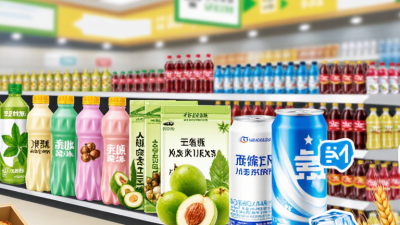
What Are the Best Natural Zero Calorie Sweeteners in China?
Interest in Natural Zero Calorie Sweeteners is rising across China’s beverage, dairy, bakery, and nutrition sectors. Innova Market Insights’ 2024 trend reporting identifies sugar reduction and healthier reformulation as important priorities for global food manufacturers. China’s large ready-to-drink tea market makes this shift especially visible. Walk through a supermarket, and stevia drinks, monk fruit blends, and erythritol-based products appear beside traditional sugary beverages.
The strongest options are not identical. Steviol glycosides provide intense sweetness with minimal energy. Monk fruit extracts offer a softer, fruit-like profile, although supply consistency can vary. Erythritol contributes bulk and cooling sensation, but it is a polyol rather than a botanical extract. Allulose may support sugar reduction, yet its regulatory status and permitted uses require careful verification in China. “Natural” is not a universal legal category.
This matters. China’s food additive requirements under GB 2760 should guide ingredient selection, labeling, and application limits. Suppliers should provide certificates of analysis, contaminant testing, and traceability records. The World Health Organization recommends limiting free sugars below 10% of daily energy intake, with further benefits below 5%, or roughly 25 grams daily for many adults. However, WHO’s 2023 guidance also cautions against relying on non-sugar sweeteners for long-term weight control. The answer is not perfectly simple. A sweetener can reduce sugar while still creating taste, digestion, or formulation challenges. This guide compares practical choices through sweetness, aftertaste, stability, regulatory fit, and consumer acceptance.
Read more »
By:Charlotte
- October 1, 2026
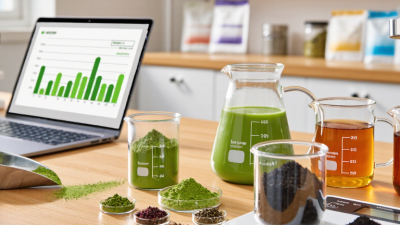
How to Find Top Instant Tea Powder Suppliers in 2026?
Finding a reliable Instant Tea Powder supplier in 2026 takes more than comparing prices. Buyers need to check product quality, production consistency, documentation, and communication before committing to an order. A bright green matcha-style powder or a fine black tea extract may look appealing in a sample, but appearance alone tells little about flavor, solubility, or batch stability.
Start by defining the product you need: tea type, ingredient profile, intended use, and packaging format. Ask suppliers for current specifications, sample batches, shelf-life details, and available quality records. Check whether the supplier can explain its sourcing and manufacturing process clearly. Then compare minimum order quantities, lead times, customization options, and how quoted prices may change with volume. Details matter.
A dependable supplier should answer practical questions without relying on broad promises. For example, ask how the powder performs in cold water, whether its flavor varies between batches, and how orders are protected from moisture during storage and shipping. Independent testing or a suitable certificate of analysis can help verify stated specifications, though documents should be reviewed rather than accepted at face value. A polished catalog is not proof of consistent production.
This guide outlines a careful way to identify and assess potential suppliers, from checking product samples to reviewing commercial terms. No checklist removes every uncertainty; supplier claims still deserve scrutiny. That small pause can prevent a costly mismatch and support a more confident purchasing decision.
Read more »
By:Charlotte
- September 26, 2026
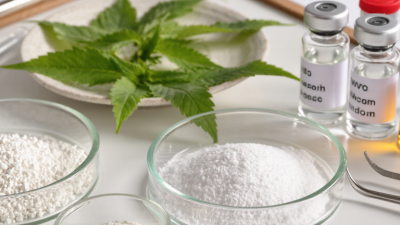
How to Choose the Best Stevia Extract Powder?
Choosing the best Stevia Extract Powder requires more than comparing sweetness levels or online prices. The powder may look bright white, yet appearance reveals little about its purity, origin, or taste. A dependable choice begins with clear product identification, including the steviol glycoside profile, extraction method, carrier ingredients, and recommended use.
Dr. M. K. Chaturvedula, a recognized researcher in steviol glycosides, offers a practical reminder: “A good stevia extract begins with identity, purity, and consistency—not sweetness alone.” This principle matters when comparing products containing Rebaudioside A, Rebaudioside M, or blended glycosides. Each profile can create a different taste. Some deliver a clean sweetness. Others leave a lingering, slightly bitter note. Taste still matters.
A serious evaluation should include a current Certificate of Analysis, batch number, microbial testing, heavy-metal results, and confirmation of glycoside content. The supplier should explain where the leaves were grown and how the extract was processed. Transparent documentation builds trust. Vague claims do not.
Even careful buyers can make mistakes. A high-purity powder is not automatically the best choice for every beverage, supplement, or food formula. Solubility, dosage, aftertaste, and compatibility must be tested in the finished product. Small sample trials are useful. They expose problems early.
This guide will examine these details closely, from label reading to supplier verification. Some decisions remain imperfect. That is normal. The goal is not to find a magical powder, but a consistent, well-documented ingredient that performs reliably in real use.
Read more »
By:Liam
- September 21, 2026
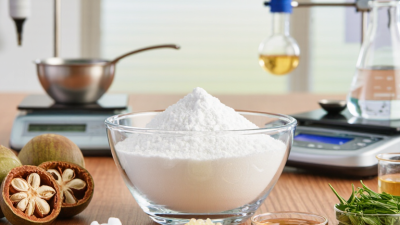
How to Source Monk Fruit Blend Sweetener Globally?
Sourcing Monk Fruit Blend Sweetener globally requires more than comparing prices. It demands evidence, sensory testing, and careful supplier qualification. The World Health Organization recommends limiting free sugars to below 10% of daily energy intake, with added benefits below 5%. This target continues to influence beverage, bakery, dairy, and nutrition product development.
Market reports show strong interest in monk fruit solutions. Grand View Research identifies monk fruit sweetener as a growing natural sweetener category, supported by clean-label demand and sugar-reduction programs. However, reported market sizes vary because analysts use different definitions. Some include pure extract, while others include blended formulations. That detail matters.
Dr. Kantha Shelke, a food scientist and principal of Corvus Blue, has warned, “Natural does not automatically mean healthier.” Her statement is highly relevant when evaluating Monk Fruit Blend Sweetener. A blend may contain erythritol, allulose, stevia, or other carriers. Each ingredient affects taste, labeling, cost, and regulatory acceptance.
A reliable sourcing process should verify mogroside concentration, carrier composition, microbiological results, heavy-metal testing, allergen declarations, and country-specific documentation. Request recent certificates of analysis, not generic product sheets. Test the powder in your real formula. A clean sample may behave differently in coffee, yogurt, or a baked filling.
Supplier audits also deserve attention. Traceability can weaken across brokers and repackers. Freight delays can damage launch schedules. The cheapest offer may become expensive after reformulation.
The market is promising, but not frictionless. Some supplier claims remain difficult to compare. That uncertainty should encourage better questions, not rushed purchasing decisions.
Read more »
By:Liam
- September 16, 2026
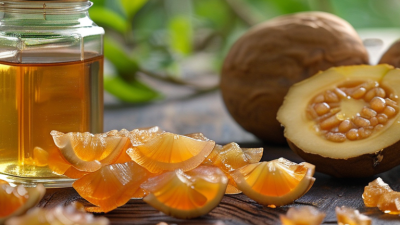
Discover 2026 Top Mogroside V 50% Suppliers Worldwide?
The demand for natural sweeteners is rising globally as consumers seek healthier options. Mogroside V 50% stands out as a leading choice. This compound, derived from monk fruit, has gained recognition for its zero-calorie sweetness and potential health benefits. According to market research, the global monk fruit extract market is expected to reach $1 billion by 2026.
Reliable suppliers are essential for businesses looking to capitalize on this trend. Mogroside V 50% offers unique properties that enhance food products. However, not all suppliers ensure quality and consistency. Industry standards vary widely, making it critical to find trusted partners.
Navigating this landscape can be challenging. A lack of transparency leads to uncertainty. Businesses must thoroughly vet suppliers to ensure they meet regulatory requirements. In the quest for Mogroside V 50%, quality assurance should always take precedence. The future of natural sweeteners depends on responsible sourcing and reliable supply chains.
Read more »
By:Charlotte
- August 19, 2026
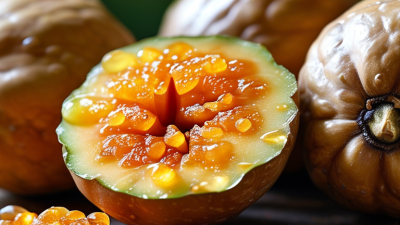
Top Benefits of Monk Fruit Extract for Global Buyers Explained?
Monk Fruit Extract is gaining popularity among global buyers for its numerous health benefits. This natural sweetener, derived from the monk fruit, offers an appealing alternative to traditional sugar. Its unique properties make it suitable for various diets, including ketogenic and diabetic regimens.
Many consumers are drawn to Monk Fruit Extract due to its zero-calorie nature. It doesn’t spike blood sugar levels, making it a safe option for those managing their weight or focusing on overall health. Moreover, this extract is rich in antioxidants, promoting better wellness.
However, not all Monk Fruit Extracts are created equal. Quality varies among brands, and buyers should be cautious. Understanding sourcing and processing is essential. In a market filled with alternatives, recognizing the true value of this extract becomes crucial. Each choice can significantly impact health and lifestyle.
Read more »
By:Charlotte
- August 19, 2026
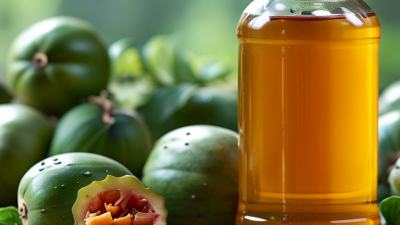
Top 10 Benefits of Monk Fruit Concentrated Juice for Buyers?
Monk Fruit Concentrated Juice has gained attention in recent years for its numerous health benefits. Dr. Emily Chen, a nutritionist specializing in natural sweeteners, once stated, "Monk Fruit offers a unique blend of flavor and health benefits." Her expertise highlights the significant advantages of this natural sweetener.
Many health-conscious consumers are turning toward Monk Fruit Concentrated Juice. It serves as a great alternative to refined sugars, particularly for those managing blood sugar levels. This juice is not only low in calories but also contains antioxidants that can improve overall health. Individuals looking for a healthier lifestyle can benefit from incorporating this juice into their diets.
However, it’s essential to approach new products with caution. While Monk Fruit Concentrated Juice is generally safe, some people may experience sensitivities. Everyone's body reacts differently, making awareness crucial. Furthermore, the flavor profile may not appeal to all, prompting a few to explore various alternatives. Always consult a healthcare provider before making significant dietary changes.
Read more »
By:Charlotte
- August 19, 2026