
WISC Biotech Blog & Insights
Choosing the best Stevia Extract Powder requires more than comparing sweetness levels or online prices. The powder may look bright white, yet appearance reveals little about its purity, origin, or taste. A dependable choice begins with clear product identification, including the steviol glycoside profile, extraction method, carrier ingredients, and recommended use.
Dr. M. K. Chaturvedula, a recognized researcher in steviol glycosides, offers a practical reminder: “A good stevia extract begins with identity, purity, and consistency—not sweetness alone.” This principle matters when comparing products containing Rebaudioside A, Rebaudioside M, or blended glycosides. Each profile can create a different taste. Some deliver a clean sweetness. Others leave a lingering, slightly bitter note. Taste still matters.
A serious evaluation should include a current Certificate of Analysis, batch number, microbial testing, heavy-metal results, and confirmation of glycoside content. The supplier should explain where the leaves were grown and how the extract was processed. Transparent documentation builds trust. Vague claims do not.
Even careful buyers can make mistakes. A high-purity powder is not automatically the best choice for every beverage, supplement, or food formula. Solubility, dosage, aftertaste, and compatibility must be tested in the finished product. Small sample trials are useful. They expose problems early.
This guide will examine these details closely, from label reading to supplier verification. Some decisions remain imperfect. That is normal. The goal is not to find a magical powder, but a consistent, well-documented ingredient that performs reliably in real use.
What Is Stevia Extract Powder and How Is It Made?
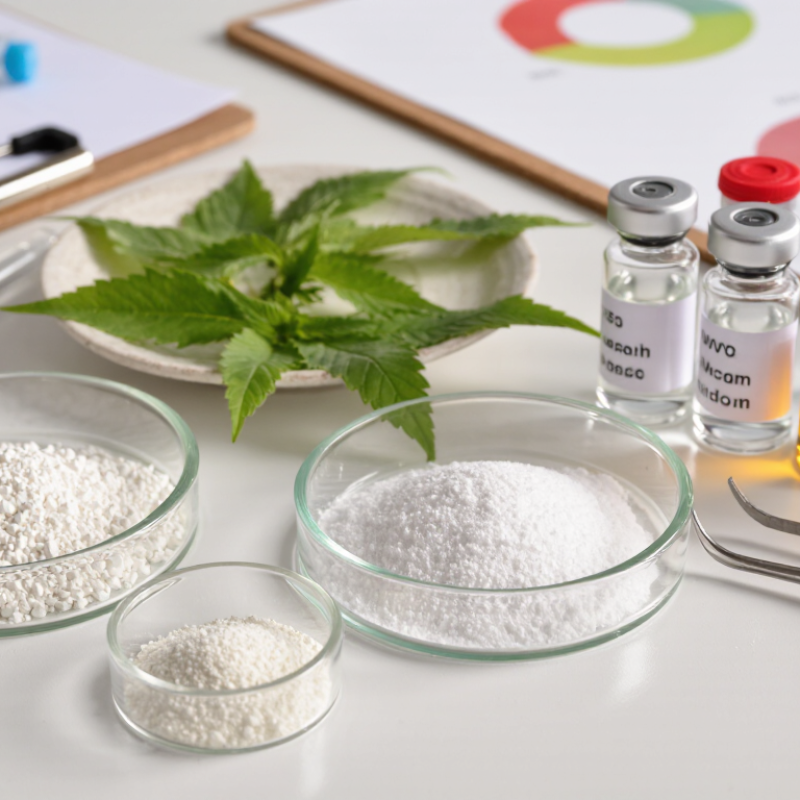
Stevia extract powder is a concentrated sweetener made from the leaves of the Stevia rebaudiana plant. Its sweetness comes from steviol glycosides, especially stevioside and rebaudioside compounds. These substances can taste far sweeter than ordinary sugar. The powder itself does not naturally occur on the leaf.
Manufacturers usually wash and dry the leaves before extracting them with purified water. The liquid passes through filters that remove plant particles and unwanted materials. Further purification separates and concentrates the sweet glycosides. The concentrated liquid is then dried, often through spray drying, to create a fine powder. Some products may use different purification or drying methods.
The process sounds simple, but quality can vary. A reliable supplier should provide the plant source, glycoside profile, extraction details, and independent test results. Color alone proves little. A very white powder is not automatically better. I would also check the ingredient list for carriers, bulking agents, or added flavors. Taste matters too. Some powders give a clean sweetness, while others leave a noticeable bitter or licorice-like finish. This difference may reflect glycoside balance, not necessarily poor production. Product selection still involves judgment, because laboratory purity cannot fully predict performance in coffee, beverages, or baked foods.
How to Choose the Best Stevia Extract Powder? - What Is Stevia Extract Powder and How Is It Made?
| Selection Dimension | What It Means | Evidence or Typical Specification | Why It Matters | Practical Check |
|---|---|---|---|---|
| Botanical source | Stevia extract powder is made from the leaves of Stevia rebaudiana, a plant native to South America. | The raw material should be identified by its botanical name, plant part, country or region of origin, and harvest or lot information. | Leaf quality and traceability can affect taste, purity, and consistency. | Review the specification sheet and certificate of analysis. |
| Main sweetening compounds | Steviol glycosides are the sweet compounds naturally present in stevia leaves. | Commonly measured compounds include stevioside, rebaudioside A, rebaudioside D, and rebaudioside M. | The glycoside profile influences sweetness intensity, aftertaste, and use in different foods and beverages. | Choose a product with a clearly stated glycoside profile. |
| Purity and composition | Purity indicates how much of the powder consists of the declared steviol glycosides rather than carriers or other ingredients. | High-purity extracts may be listed as approximately 95% or more total steviol glycosides, while lower-purity products may contain leaf material or carriers. | Purity affects dosage, labeling, sweetness strength, and formulation cost. | Check whether the percentage refers to total steviol glycosides or only one compound. |
| Extraction method | Manufacturing generally separates water-soluble steviol glycosides from dried stevia leaves. | A typical process includes washing and drying leaves, water extraction, filtration, purification, concentration, drying, and milling or sieving. | Process control helps remove unwanted plant solids and deliver consistent flavor and potency. | Ask for a process summary and confirmation of permitted processing aids. |
| Drying technology | The concentrated extract must be converted into a stable powder. | Spray drying is widely used for powdered extracts; other drying approaches may be used depending on the formulation and carrier system. | Drying conditions can influence moisture, flowability, particle size, and heat exposure. | Look for moisture limits, appearance, and storage recommendations. |
| Sweetness intensity | Steviol glycosides are much sweeter than sucrose, so only a small amount is normally required. | Reported sweetness varies by glycoside profile and product formulation; purified steviol glycosides are often described as roughly 200–350 times sweeter than sucrose by weight. | A small dosing error can noticeably change sweetness in a finished product. | Run a controlled sensory and dosage test in the intended application. |
| Taste profile | Stevia can provide sweetness with a characteristic licorice-like or bitter aftertaste, especially at higher use levels. | Products richer in certain glycosides, including rebaudioside A, D, or M, may have different taste profiles from stevioside-dominant extracts. | Taste acceptance depends on the food matrix, acidity, temperature, and other ingredients. | Evaluate the powder in the final recipe, not only in water. |
| Carrier ingredients | Some powders are blended with carriers to improve handling, dispersion, or dosing. | Possible carriers include erythritol, maltodextrin, or other permitted food ingredients; a high-purity extract may contain little or no carrier. | Carriers affect bulk density, calories, allergen declarations, and sweetness per gram. | Read the full ingredient list and nutrition information. |
| Moisture and water activity | Moisture describes water present in the powder, while water activity indicates how available that water is for microbial and chemical reactions. | Commercial specifications commonly set low moisture limits, but the exact value depends on the product and manufacturing process. | Low moisture and suitable water activity help reduce caking and support shelf stability. | Check test results and keep the package tightly sealed after opening. |
| Solubility and dispersibility | The powder should dissolve or disperse appropriately in the target product. | Steviol glycosides are generally suitable for aqueous systems, but powder particle size, carriers, temperature, and mixing affect performance. | Poor dispersion can cause uneven sweetness and processing difficulties. | Test in cold and hot conditions used by the intended application. |
| Microbiological quality | The powder should meet applicable microbiological specifications for its intended food or beverage use. | Testing commonly addresses total aerobic count, yeast and mold, coliforms, and relevant pathogens according to local requirements. | Microbial control supports product safety and regulatory compliance. | Request a lot-specific certificate of analysis. |
| Contaminant testing | Botanical ingredients may require monitoring for agricultural and environmental contaminants. | Depending on the market, testing may include heavy metals, pesticide residues, residual solvents, and mycotoxins. | Testing helps verify safety and compliance with applicable maximum limits. | Confirm methods, limits, and test dates in supporting documents. |
| Regulatory status | Rules for stevia extracts and specific steviol glycosides vary by jurisdiction and intended use. | The applicable authority may specify purity, labeling, permitted uses, and acceptable daily intake requirements. | A product suitable in one market may require different documentation or labeling in another. | Verify requirements for the destination market before purchase. |
| Storage and shelf life | Stevia extract powder should be protected from moisture, heat, light, and contamination. | Typical guidance is to store the powder in a cool, dry place in a sealed, food-grade package; exact shelf life must be supported by stability data. | Correct storage helps preserve flowability, potency, and flavor. | Check the expiry date, packaging integrity, and recommended conditions. |
| Best-use fit | The best extract depends on whether it will be used in beverages, dairy products, bakery items, supplements, or tabletop sweeteners. | Compare glycoside profile, purity, carrier system, solubility, heat and pH performance, and sensory results for the finished product. | Application-specific testing is more reliable than selecting solely by sweetness percentage or price. | Request a sample and complete a small-scale formulation trial. |
Note: Specifications, permitted uses, labeling rules, and acceptable daily intake requirements may differ by country and product category. Always verify current local regulations and lot-specific quality documents.
FAQS
It should identify the facility, certification scope, issue date, and renewal status. Check it directly with the issuing organization. Paperwork can look complete. It may still be outdated.
No. Certification shows a documented safety system, not perfect control of every batch. Request recent batch records and laboratory results. One contaminated lot can disrupt a careful supply chain.
Testing should confirm identity, purity, and consistent composition. Ask for steviol glycoside results measured by a suitable laboratory method. The report should include individual glycoside percentages.
Check lead, arsenic, cadmium, mercury, pesticide residues, microbes, moisture, and residual solvents. Microbial limits deserve special attention for powders. Moisture can quietly affect quality.
No. The percentage may not show the complete glycoside profile. Request the actual composition and calculation basis. A high percentage can still hide important differences.
Look for the botanical source, extraction details, glycoside content, batch number, and expiration date. Also check carriers, added sweeteners, allergens, GMO statements, irradiation statements, and origin information. A very white powder is not automatically better.
Seal the container tightly after each use. Store it in a cool, dry, dark cupboard. Keep it away from ovens, sinks, sunlight, and humid areas. Use a dry spoon. Small detail. Big effect.
Inspect it for unusual odors, discoloration, insects, clumping, or a damaged seal. Do not taste questionable material. Replace it when its condition becomes uncertain. Humidity makes storage advice less predictable.
Conclusion
Choosing the right Stevia Extract Powder requires understanding how it is produced and how its steviol glycosides affect sweetness and quality. The extract is typically obtained from stevia leaves through water-based extraction, filtration, purification, and drying. Different glycosides, such as rebaudioside and stevioside, create varying levels of sweetness, aftertaste, and overall flavor. When comparing products, consider purity, sweetness intensity, color, solubility, and whether the flavor profile suits beverages, foods, or dietary formulations.
Quality verification is equally important. Look for clear information about ingredient composition, batch consistency, and relevant food-quality certifications. Independent testing for identity, microbial safety, heavy metals, pesticides, and contaminants can provide additional confidence. To preserve freshness, store Stevia Extract Powder in a tightly sealed, food-safe container away from moisture, heat, direct sunlight, and strong odors. Selecting a product with transparent specifications and handling it properly helps maintain its taste, stability, and safe everyday use.